

How to Prepare for SEC and PCAF Climate Disclosure Compliance

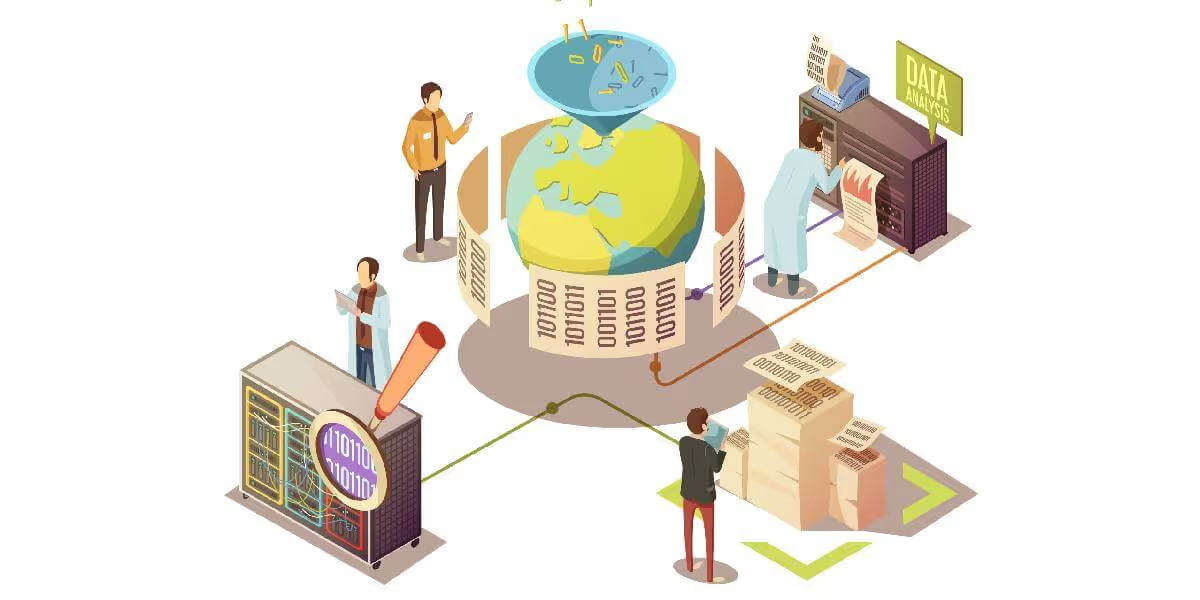
Compliance with the SEC and PCAF frameworks is essential for transparent climate reporting. While the SEC's 2024 climate rules would require public companies to disclose climate risks (they are stayed, and the SEC proposed to rescind them in June 2026), PCAF provides financial institutions with tools to measure and report financed emissions.
This guide outlines practical steps to effectively prepare for and align with both frameworks.
Understanding SEC Climate Disclosure Requirements
On March 6, 2024, the U.S. SEC adopted rules that would require companies to disclose climate-related data, including greenhouse gas emissions (for larger filers), climate risks, transition plans, governance practices, and climate-related financial metrics in financial statement notes. The rules have never taken effect: the SEC stayed them in April 2024, voted in March 2025 to stop defending them, and in June 2026 proposed to rescind them. As of October 2026 the rescission is not final.
The 2024 rules would apply to SEC-registered domestic and foreign companies. Under the 2024 rules, smaller reporting companies and emerging growth companies would be exempt from emissions disclosure, and assurance would be phased in only for larger filers.
An Overview of PCAF Climate Reporting Standards
The Partnership for Carbon Accounting Financials (PCAF) is a global, industry-led initiative that provides a standardized approach to measuring and disclosing greenhouse gas (GHG) emissions associated with financial institutions’ loans and investments.
PCAF was established by a coalition of organizations. Its goal is to enhance transparency and accountability in carbon accounting within the financial sector.
SEC and PCAF Compliance Guide
The SEC and PCAF frameworks enhance climate-related transparency. The SEC's 2024 rules would have required climate-risk disclosure in filings like 10-Ks, focusing on governance, risk management, and financial impacts, but they are stayed and not in effect.
PCAF targets financial institutions, offering standardized methods to measure and report financed emissions annually, aligning with global frameworks like the Paris Agreement.
Businesses can align SEC and PCAF compliance by embedding climate-related reporting into their governance and risk management systems. This involves:
- Identifying applicable emissions data and aligning them with asset-specific methodologies from PCAF.
- Ensuring consistency in emissions metrics across internal reports and mandatory SEC filings.
- Leveraging PCAF’s detailed standards to refine the Scope 1, Scope 2, and (where applicable) Scope 3 emissions disclosures required by the SEC.
Integrating these frameworks strengthens compliance and builds trust with stakeholders through clear, comparable climate reporting.
The Ultimate Compliance SEC Checklist
1. Understand the Key Disclosure Requirements
Organizations must familiarize themselves with the SEC’s detailed climate disclosure mandates, including short-term and long-term climate-related risks, governance structures, and risk management processes. Companies should focus on assessing physical and transition risks while aligning their strategies with sustainability goals.
2. Conduct a Readiness Assessment
Evaluate your current capacity to produce compliant climate disclosures. Assess climate risk and impact data, GHG emissions management capabilities, and risk management frameworks. Identify gaps in internal controls, disclosure processes, or data availability and address them in a structured manner.
3. Create a Comprehensive Compliance Roadmap
Develop a step-by-step action plan that outlines critical activities, timelines, and investments. Include a gap analysis, phased improvements in reporting processes, and technology adoption to automate disclosures. Assign responsibilities to individuals and teams, and ensure regular monitoring and reporting to senior leadership.
4. Secure Organizational Buy-In and Build a Cross-Functional Team
Engage senior leadership and secure their commitment to compliance initiatives. Form a collaborative team with members from accounting, risk management, operations, and other relevant departments. Partner with internal auditors and qualified external consultants to strengthen compliance efforts.
5. Allocate Resources Strategically
Allocate sufficient funds to acquire tools, training, and expert support. A robust budget will help address compliance risks effectively and prepare your organization for potential scrutiny or penalties.
6. Turn Compliance into a Competitive Advantage
Go beyond mere compliance by integrating climate disclosures into your overall business strategy. Demonstrating sustainability leadership can attract investors, enhance brand reputation, and uncover new opportunities for growth and efficiency.
How to Prepare for PCAF Climate Disclosure Compliance
1. Understand the PCAF Framework
The first step in preparing for PCAF climate disclosure compliance is to familiarize yourself with the PCAF Reporting Standard. This involves understanding its methodologies, classifications, and alignment with global climate action frameworks like the Task Force on Climate-related Financial Disclosures (TCFD).
PCAF provides standardized guidelines for measuring greenhouse gas (GHG) emissions across the main asset classes, ensuring transparency and consistency in emissions reporting.
2. Commit to PCAF Standards
It is essential to make a formal commitment to adopting PCAF standards. This includes securing buy-in from senior management and allocating resources to the implementation process. Joining PCAF also gives organizations access to a collaborative network of financial institutions for sharing best practices and overcoming challenges.
3. Conduct a Baseline Assessment
Performing a baseline assessment helps organizations evaluate their current emissions accounting capabilities. This involves identifying existing data sources, assessing data quality, and identifying gaps. Understanding the baseline allows institutions to measure progress and identify areas for improvement.
4. Tailor Implementation to Relevant Asset Classes
Identify which of the PCAF asset classes apply to your financial portfolio, such as listed equity, commercial real estate, or vehicle loans. Adopting methodologies specific to these classes ensures that emissions calculations are accurate and meaningful, enabling more precise reporting and compliance.
5. Focus on Data Collection and Accuracy
Collecting high-quality data is critical for meaningful emissions reporting. Institutions should aim to gather granular data directly from borrowers or investees. Where direct data is unavailable, use PCAF-recommended proxies or industry averages. Reliable data ensures the credibility of emissions calculations.
6. Establish Reporting and Validation Processes
After calculating financed emissions, validate the results through internal audits, peer reviews, or third-party verification to ensure accuracy. Following validation, disclose financed emissions annually to demonstrate compliance and progress. Integrating these disclosures with broader sustainability or climate-related financial reports enhances stakeholder trust.
7. Emphasize Continuous Improvement
PCAF encourages financial institutions to regularly refine their methodologies and processes as better data becomes available and standards evolve. This proactive approach ensures ongoing compliance and alignment with climate goals while enabling institutions to improve their climate accountability and emissions reporting over time.
Compliance Made Simple and Effective
Preparing for SEC and PCAF compliance is critical to achieving transparency, meeting regulatory requirements, and aligning with global sustainability goals. A well-planned approach simplifies compliance and positions your business as a leader in climate accountability and ESG excellence.
Organizations must implement a comprehensive approach to climate risk disclosure and emissions reporting to ensure effective compliance with the SEC and PCAF frameworks. Spectreco’s technology platform and ESG consulting services are designed to help businesses meet these regulatory demands.
By implementing Spectreco’s advanced solutions, companies can seamlessly navigate complex climate regulations, optimize resource allocation, and ensure accurate and transparent climate reporting.
Spectreco helps streamline the compliance process, reduce operational costs, and enable organizations to reach Net Zero targets, all while maintaining sustainability and maximizing long-term value. With us, businesses can turn their climate responsibility into a competitive advantage, driving compliance and positive environmental impact.


More From Our Blog

Your ESG Journey?